Moon & Mars / EXPLAINER
How Martian Dust Storms Change a Surface Power Plan
Understand why Martian dust affects solar generation and operations, and how a useful power plan separates routine weather, reserves and recovery.

FREE EXCERPT
The important storm effect may be lost sunlight
Dramatic fiction often presents a Martian dust storm as a wall of wind that throws heavy equipment across a landscape. NASA's explanation emphasizes that Mars has a much thinner atmosphere than Earth and that obscured sunlight is a major operational concern. For a solar-powered surface mission, the relevant question is how energy supply changes and how long the vehicle can accommodate that change.
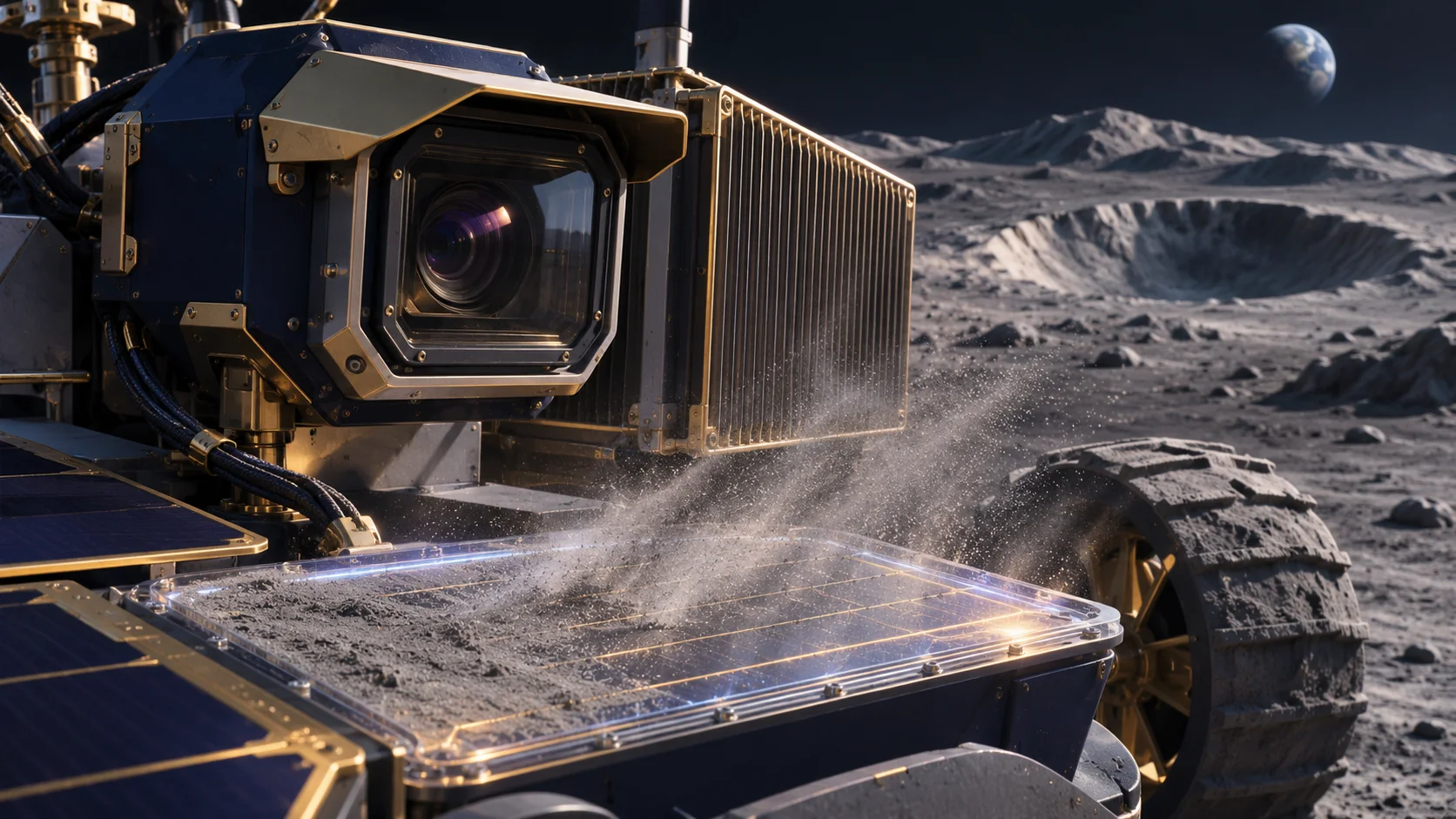
NASA's surface-power assessment distinguishes dust suspended in the atmosphere from dust accumulated on equipment. Both can affect a solar-based plan, but through different paths. An atmospheric event changes the incoming light. Deposited material changes the condition of a surface. Treating both as one temporary weather number can miss what remains to be addressed after the sky improves. Recovery deserves its own place in the operating plan.
Continue with a paid membership
This full article is included with Explorer, Researcher or Architect.